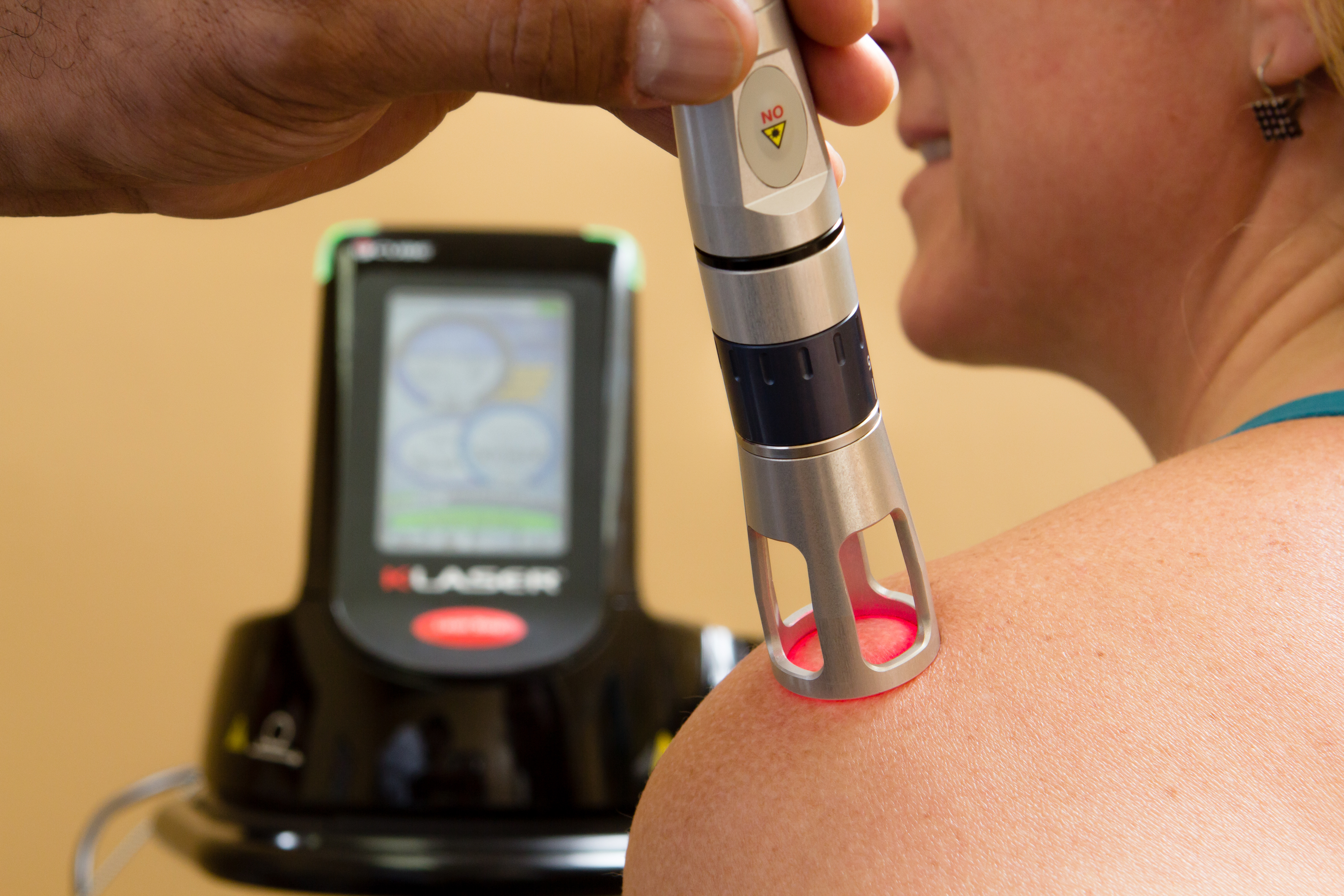
Lately, 4th Class laser therapy has surfaced as a revolutionary healing method, providing a strong resource for pain management and tissue healing. Unlike traditional lasers, Class 4 devices provide a superior power output, allowing deeper penetration and better treatment of various conditions. As clinicians and patients too seek creative solutions to persistent pain and injury recovery, understanding the features of these cutting-edge laser therapy technologies becomes crucial.
This article aims to explore the nuances of Class 4 laser therapy devices, showcasing the important features that can make a significant difference in therapeutic results. From power ratings and choice of wavelength to mobility and safety measures, we will explore what to take into account when selecting the right device for your requirements. Whether you are a clinician looking to develop your clinic or a veterinarian seeking successful treatments for animal patients, this comprehensive guide will provide valuable insights to help you realize the complete potential of Class 4 laser therapy.
Key Features of Class 4 Laser Therapy Devices
When considering devices for Class 4 laser therapy, one of the most important features to examine is the power output. Class 4 lasers generally operate within 1 and 25 watts, which allows for deeper tissue penetration and increased therapeutic effectiveness. This increased power output enables quicker treatment sessions and can significantly enhance the outcomes for multiple conditions, including pain management and wound healing. Patients and clinicians alike benefit from the ability of Class 4 lasers to provide a focused energy dose to specific areas.
Another important feature is the wavelength of the laser. Various wavelengths penetrate tissues at varying depths, making it essential to choose a device with the appropriate wavelength for the particular treatment goals. For instance, short wavelengths are good for surface-level conditions, while extended wavelengths can access deeper tissues, making them ideal for challenging musculoskeletal issues. Understanding the relationship between wave length, tissue interaction, and treatment effectiveness can considerably influence the choice of a Class 4 laser for treatment needs.
Additionally, the design and ergonomics of the laser device play a significant role in its overall effectiveness and user experience. informative post -designed Class 4 laser should be easy to handle, enabling practitioners to use it for extended periods without discomfort. Features like adjustable power settings, intuitive controls, and portable construction contribute to the user-friendliness, allowing for greater precise treatment delivery. Additionally, the inclusion of safety features such as auto shut-off and protective eyewear ensures that both the patient and clinician are safeguarded during treatment sessions.
Grasping Power Output as well as Wavelength
The power output is a key aspect of Class 4 laser therapy devices, since it immediately influences the effectiveness of the treatment. Such devices operate at a power output typically ranging from 0.5 to 25 watts watts, with higher wattages permit for deeper tissue penetration and quicker treatment times. Knowing the required power for specific conditions is crucial for achieving optimal results. In practice, a higher power output can lead to faster healing and enhanced pain relief, making it a key criteria when evaluating different models.
Wavelength is another pivotal factor in laser therapy, as different wavelengths penetrate tissues to varying depths. Generally, wavelengths between 800 nm to 1000 nm are most effective for therapeutic purposes, since they target specific chromophores within tissues. This guarantees that the laser energy is absorbed effectively, promoting cellular metabolism and repair. When selecting a Class 4 laser, it is important to consider the intended application and the types of tissues that will be treated, since the right wavelength can significantly enhance treatment outcomes.
Combining power output and wavelength is important for maximizing the benefits of Class 4 laser therapy. For example, a lower power output might still be effective if the wavelength is optimal for a particular application, but a higher power output with an inappropriate wavelength can produce subpar results. Therefore, grasping these relationships enables practitioners to tailor their approach, making sure the laser therapy is therapeutically beneficial while maintaining patient safety.
Security, Conformity, and Longevity in Laser Therapy
When choosing a Class 4 laser therapy device, safety and adherence should be foremost factors. Seek out devices that have received FDA approval, as this confirms they meet stringent safety standards. Additionally, manufacturers should provide documentation about adherence with pertinent regulations and standards, which not only safeguards patients but also enhances the reputation of the treatment provided. Safety features such as auto shut-off, lock switches, and safety goggles can mitigate risks during use, making them crucial components of a reliable laser therapy system.
Durability is another key aspect of picking a Class 4 laser. Devices built with high-quality materials and components generally withstand the rigors of regular use better than those made from cheaper alternatives. Researching the manufacturer's standing, warranty terms, and customer support can provide information into the durability of the device. A longer warranty often indicates confidence in the product's endurance, while robust customer service can help address potential concerns that may occur over time.
In conclusion, it is essential to consider the training and certification assistance provided by the manufacturer. Providing comprehensive training not only ensures that practitioners use the equipment securely but also boosts the overall patient experience. With continuous developments in laser technology, staying aware through continuous education and updates from the manufacturer can help users acclimate to new methods and maintain peak device performance over the years. Focusing on protection, compliance, and endurance will ultimately lead to more effective and fulfilling laser therapy outcomes.