

Recently, 4th Class laser therapy has surfaced as a potent treatment option for managing pain and healing in veterinary and human medicine. With https://writeablog.net/therapylaser664/the-top-benefits-of-using-class-iv-treatment-in-clinical-practice in technology, these devices have turned into more powerful and versatile, offering numerous benefits for professionals and individuals alike. Yet, with an increase in available options, picking the right Class 4 laser therapy device can be a daunting task. Understanding photobiomodulation therapy equipment and specifications that set apart these devices is crucial for making an informed decision.
When thinking about Class 4 laser therapy, it is essential to comprehend concepts such as output power, wavelength selection, and treatment guidelines. Each characteristic plays a critical role in the effectiveness of the therapy and can affect treatment outcomes considerably. From assessing the significance of variable power settings to understanding the details of different laser modes, this article will lead you through the important factors to consider. Whether you are a healthcare professional looking to purchase a new device or a patient seeking ideal treatment options, we will explore the fundamentals of Class 4 laser therapy to help you determine which device is suitable for your needs.
Key Features of Class 4 Laser Therapy Devices
Class Four laser therapy devices are known for their elevated power levels, which falls from 0.5W to 100W. This increased power allows for increased tissue depth, making them especially useful for treating pain and promoting healing in various medical and veterinary applications. When picking a Class 4 device, it is crucial to consider the output power, as this directly influences the treatment efficacy. Higher power can cause quicker treatment durations and enhanced outcomes for both acute and chronic conditions.
Another important feature to consider is the wavelength of the laser. Various wavelengths penetrate tissue at varying depths and can target specific tissue structures. For effective treatment, picking the right wavelength is important. Most Class 4 lasers operate within the near-infrared range, usually from 800-1064 nanometers, allowing for optimal absorption by cells. Furthermore, some devices provide the feature of multiple wavelengths, boosting their flexibility for various therapeutic applications.
Mobility is also a significant consideration when reviewing Class 4 laser therapy devices. Some models are designed to be easy to transport, making them suitable for use in clinics and remote settings. Conversely, others are fixed and may offer advanced features but require a dedicated treatment space. Assessing your needs, whether you value flexibility for mobile applications or advanced features provided by stationary models, will assist in choosing the optimal solution for your practice.
Understanding Energy and Wavelength in Laser Treatment
Power output is a vital component in the efficacy of Class 4 laser therapy devices. Generally measured in watts, the energy output dictates how profoundly the laser light can penetrate tissue and how how much energy is delivered to the target area. Stronger power settings can result in quicker treatment times and greater pain relief and healing. When choosing a device, evaluate the particular power output needed for the various conditions you intend to address, as various applications may require varying levels of intensity.
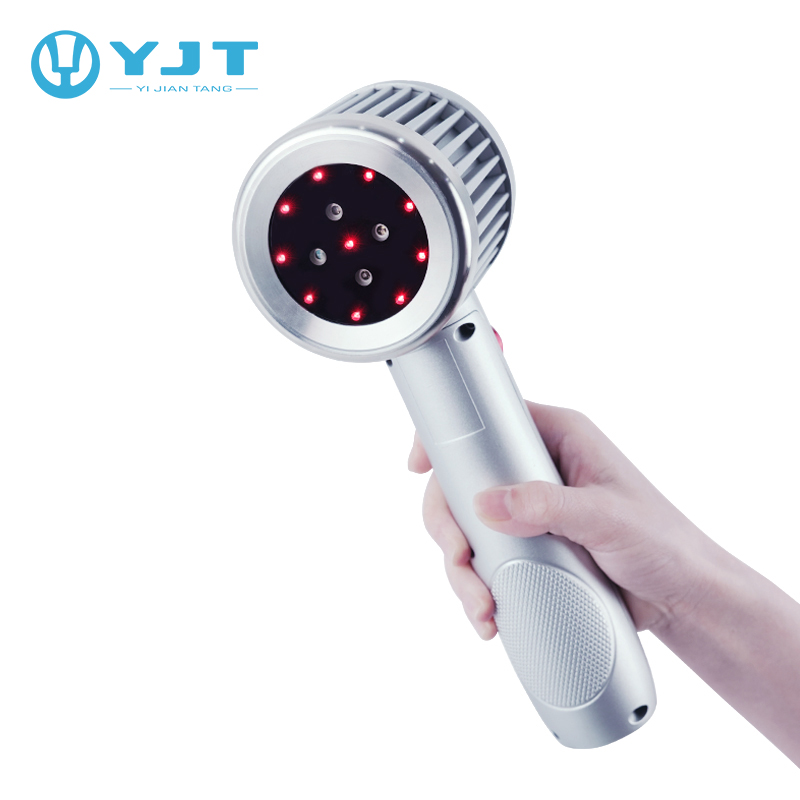
Frequency is another critical consideration when selecting a Class 4 laser treatment device. Lasers function at particular wavelengths, usually measured in nanometers, which directly influence how the light engages with biological tissues. For instance, wavelengths in the range of 800 to 1000 nanometers are often ideal for deep tissue infiltration, making them suitable for muscle and joint therapies. Conversely, shorter wavelengths may be more effective for superficial treatments such as skin conditions. Selecting the suitable wavelength ensures maximum therapeutic benefits customized to individual patient needs.
Merging appropriate power output with the right wavelength creates a synergistic effect that boosts treatment outcomes. Comprehending how power and wavelength interact helps professionals make informed decisions about the most effective Class 4 laser therapy device for their practice. By selecting a model that offers adjustable settings, practitioners can tailor treatments, ensuring each patient receives maximum care based on their individual conditions and reactions to therapy.
Selecting the Appropriate Class 4 Laser for Your Needs
When selecting a Class 4 laser therapy device, it is vital to evaluate your specific requirements and treatment goals. Evaluate factors such as the desired application, whether for pain management, tissue healing, or a combination of both. An understanding of the clinical conditions you will be managing will help determine the appropriate power output and wavelength. Make sure to focus on features that enhance treatment efficacy, including adjustable power settings, which enable customization based on individual patient needs.
Portability is another important aspect to consider, especially if you plan to use the device in multiple locations or for mobile practices. A portable Class 4 laser should offer a equilibrium between functionality and ease of transport. However, if your practice is primarily stationary, you might choose a larger, more powerful unit. Additionally, consider the cooling systems, ergonomics, and ease of use of the device, as these will impact your overall experience and the outcomes of your treatments.
Finally, ensure that the Class 4 laser you choose meets all safety and compliance standards, including FDA clearance. This not only ensures the device's reliability but also guarantees patients of their safety during treatment. Moreover, research manufacturer support, warranty options, and training resources available for the device. Taking the time to carefully research and evaluate these aspects will lead to a well-informed decision, ultimately enhancing your practice's effectiveness and the contentment of your clients.